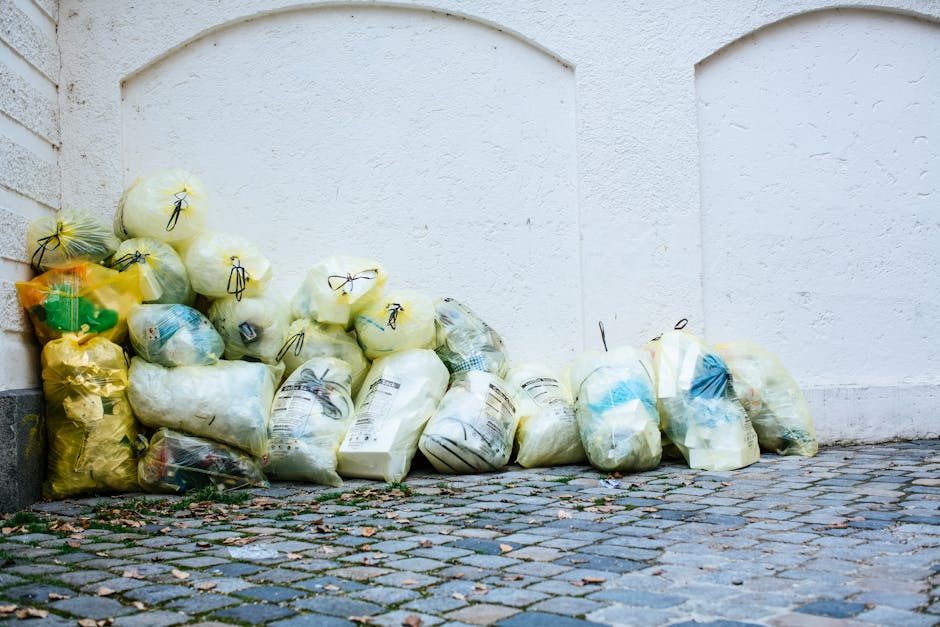
Kingston Council waste rules for cleaning companies and tenants

If you clean homes, manage move-outs, or rent a property in Kingston, waste can become the awkward bit nobody planned for. Bags stack up in a hallway, a sofa appears at the last minute, and suddenly everyone is asking: who is responsible, where does it go, and what happens if it is left out the wrong way? This guide to Kingston Council waste rules for cleaning companies and tenants breaks the process down in plain English so you can avoid fines, complaints, missed collections, and those slightly embarrassing "please sort this out today" messages.
Used properly, waste rules are not just red tape. They help keep buildings tidy, protect communal areas, and make end-of-tenancy or post-renovation cleaning much smoother. And to be fair, once you know the system, it is easier than most people expect.
- Why the rules matter
- How waste handling works in practice
- Key benefits and practical advantages
- Who needs to follow these rules
- Step-by-step guidance
- Expert tips for better results
- Common mistakes to avoid
- Tools, resources and recommendations
- Law, compliance and best practice
- Options, methods and comparison table
- Case study example
- Practical checklist
- Frequently asked questions
Why Kingston Council waste rules for cleaning companies and tenants Matters
Waste rules matter because cleaning jobs often create more rubbish than people expect. A deep clean may uncover broken hangers, food waste, old toiletries, cardboard, worn bedding, packaging, and the kind of "temporary storage" items that were never meant to stay. If those items are not handled properly, the problem spreads beyond one flat or one job. It can block access, attract pests, upset neighbours, and leave a tenant or cleaning contractor with a complaint that feels bigger than the original mess.
For tenants, the main issue is responsibility. If you move out and leave items behind, the landlord or agent may treat that as abandonment, charge removal costs, or delay the deposit process. For cleaning companies, the key question is scope. Are you cleaning, bagging, moving waste to the approved collection point, or arranging disposal? Those are not the same thing. Mixing them up is where confusion starts.
There is also the practical side. In Kingston, as in much of London, collection schedules, bin storage, shared access routes, and fly-tipping risks all shape what can happen on site. A cleaner who knows how waste should be sorted and presented saves time for everyone. A tenant who understands the basics can avoid last-minute stress on moving day. Simple, really. Not always easy, but simple.
One small but important point: waste rules are not just about household rubbish. In cleaning work, you may encounter bulky items, sharps, electricals, contaminated materials, or heavy bags that need special care. That is where common sense and a written plan make a huge difference.
How Kingston Council waste rules for cleaning companies and tenants Works
The basic principle is straightforward: waste must be stored, sorted, and presented in a way that matches local collection expectations and property arrangements. The exact setup can vary by street, block, landlord agreement, and property type, so the sensible approach is to check the building rules first and then work backwards from there.
In a typical Kingston cleaning scenario, the process looks like this:
- Identify the waste type. General household rubbish, recycling, food waste, bulky items, and hazardous items need different treatment.
- Check where bins are kept. Some homes have individual bins. Flats and managed buildings often use communal stores or shared bin areas.
- Keep waste separate. Do not throw everything into one bag if sorting is expected. It creates more work later and can lead to rejected bins.
- Use secure bags and tidy stacking. Overflowing bags, loose packaging, and open boxes cause problems fast.
- Move waste only if you are allowed to. A cleaner may be asked to bag waste or take it to a designated bin store, but not to remove items off-site unless that is clearly agreed.
- Arrange specialist disposal when needed. Bulky waste, builder's debris, or items that cannot go in normal bins may need a separate collection or clearance service.
If you are a tenant, the safest habit is to leave the property in a state that makes collection easy: bins accessible, bags tied, recycling separated where required, and no mystery pile in the corner. If you are a cleaning company, make the scope crystal clear before you start. The difference between "we'll tidy it up" and "we'll dispose of it" can be hundreds of pounds in additional work, or a complaint later on.
In rental properties, waste rules often connect with move-out timing. If cleaners arrive after the tenant has already left bags in the kitchen or on the landing, they need to know what to do with them. That is one reason many people pair waste planning with end of tenancy cleaning or move-out cleaning, because the job is rarely just surface cleaning. It is the full exit picture.
Key Benefits and Practical Advantages
Following Kingston Council waste rules properly gives you more than compliance. It also keeps the whole job calmer. There is less back-and-forth, fewer surprises, and less chance of someone saying, "I thought you were taking that too." We have all seen jobs where a small waste issue snowballs into a delay. Usually it starts with one unlabelled bag. Then two. Then a whole morning disappears.
Here are the main advantages:
- Cleaner handovers: Properties are easier to inspect and sign off when rubbish is already sorted.
- Lower complaint risk: Neighbours and building managers are less likely to object to cluttered communal areas.
- Better time management: Cleaning teams can finish faster when they are not constantly making judgement calls about waste.
- Fewer deposit disputes: Tenants can show they left the property reasonably tidy and collection-ready.
- Safer working conditions: Properly bagged and identified waste reduces cut, spill, and trip hazards.
- More professional service delivery: Clear waste handling makes a cleaning company look organised, not rushed.
There is also a reputational benefit for landlords, agents, and cleaners. People notice when a property looks controlled. They notice when bags are neatly staged and the bin area is not a mess. That quiet professionalism goes a long way, especially in shared blocks where one badly handled collection can annoy half the building.
If waste is a regular feature of your work, it may be worth building it into your cleaning specification alongside services like domestic cleaning, regular cleaning, or office cleaning so expectations stay sensible from day one.
Who This Is For and When It Makes Sense
This topic is relevant to more people than you might think. It is not just for cleaners with vans and dust sheets. It is for anyone who touches the end-of-tenancy or property turnover process.
- Tenants: If you are moving out, clearing cupboards, or dealing with a last-minute mess, you need to know what can go in the bin and what needs special handling.
- Cleaning companies: If your team handles post-tenant, domestic, or commercial jobs, you need a consistent waste routine.
- Landlords and letting agents: You need a predictable handover process to keep void periods short and inspections tidy.
- Building managers: Shared bin stores, bin rooms, and access routes can create friction if waste is left in the wrong place.
- Householders arranging one-off help: After a clear-out, renovation, or big family clean, the waste often becomes the real issue.
It makes sense to pay extra attention when the job involves bulky packaging, food residue, old furnishings, pet mess, or post-refurbishment dust and debris. Those are the moments when the normal routine starts to wobble a bit. For example, a team doing one-off cleaning after a long gap may find the waste stream is far messier than expected, while a property needing after builders cleaning often needs more careful sorting than a standard tidy-up.
And yes, tenants sometimes assume "the cleaner will sort it." Sometimes they will, sometimes they will not. That needs spelling out. Clearly.
Step-by-Step Guidance
If you want a simple, low-stress way to handle waste correctly, use this order. It works well for both tenants and cleaning teams, and it stops last-minute guesswork.
- Walk the property first. Identify everything that needs removing, sorting, bagging, or keeping. Do not start cleaning blind.
- Separate waste into categories. General waste, recycling, food waste, bulky items, and anything potentially hazardous should be kept apart.
- Check bin access. Confirm where the bins are, whether they are full, and whether a key or code is needed for a communal store.
- Remove obvious contamination early. Food waste, damp cardboard, and leaking bags are best handled first so they do not spread smells or mess.
- Bag and seal properly. Loose waste turns into a trail. Nobody wants that. Not in a hallway, not on the stairs.
- Keep pathways clear. Waste should never block fire exits, shared entrances, or access for other residents.
- Use agreed disposal routes. If the property has a designated refuse area, use it. If a bulky item is outside the normal system, arrange removal separately.
- Document anything unusual. Take note if waste was left behind, if bins were full on arrival, or if you were asked to deal with items outside the original scope.
- Confirm completion with the client or tenant. A quick photo or written note can prevent later disagreement. Not glamorous, but very useful.
A small real-world example: a cleaner arrives at a flat on a Friday afternoon. The tenant has already moved out, but the kitchen still has two tied bags, a broken chair, and several boxes of packaging. If the cleaner knows the process, they can separate the loose recycling, put the general waste in the right place, and flag the chair as bulky waste instead of trying to squeeze it into a bin. That saves time and avoids frustration. Simple actions, better outcome.
Expert Tips for Better Results
Most waste problems are not caused by dramatic failures. They come from small assumptions. One person assumes someone else will take the rubbish down. A building manager assumes the cleaner knows the bin schedule. The cleaner assumes the tenant has already sorted recycling. Then the collection day passes. Job done? Not quite.
Here are the habits that make the biggest difference:
- Write the waste scope into the booking. If removal is included, specify what counts and what does not.
- Use separate bags where possible. A black bag full of mixed items is harder to manage than two clearly labelled bags.
- Keep a bulky-item rule for the team. If it will not fit safely in normal waste handling, stop and escalate.
- Protect common areas. Lift lobbies, stairwells, and shared bin stores should be left cleaner than you found them, ideally.
- Train cleaners on "what not to touch." Sharps, chemicals, unknown liquids, and contaminated materials are not casual tidy-up items.
- Photograph waste issues before moving anything. This is useful when a client later says the rubbish was already there. It happens.
- Use the right service for the job. A normal clean is not a clearance service, and a clearance service is not a detailed finish clean. Mixing the two can get messy.
For property turnover work, it also helps to pair waste planning with services that finish the space properly, such as move-in cleaning, house clearance, or house cleaning. The right combination depends on how much has been left behind and how quickly the property needs to be ready.
And a small personal tip, for what it is worth: if a bin area already looks chaotic when you arrive, pause for thirty seconds and plan your route. That tiny pause often saves ten minutes later. Sometimes even more. Funny how that works.
Common Mistakes to Avoid
Waste handling goes wrong in predictable ways. Once you know the patterns, they become easy to dodge.
- Leaving everything in one mixed pile: This is the fastest way to create confusion and extra labour.
- Assuming the tenant has sorted waste already: Always check. Do not assume.
- Blocking communal spaces: Even temporary clutter can trigger complaints from neighbours or building managers.
- Ignoring bulky items: Chairs, broken furniture, mattresses, and large packaging often need separate planning.
- Overpromising removal: A cleaner who says "yes, we'll take care of all the rubbish" without checking the scope can create a difficult situation later.
- Putting the wrong things in general waste: Some items need special treatment, especially anything hazardous or electrical.
- Forgetting access times: If bin stores are locked or collection windows are narrow, timing matters. Quite a lot, actually.
One mistake that crops up a lot in rental properties is treating abandonment and clearance as the same thing. They are not. If belongings have clearly been left behind, that can become a landlord or agent issue, not an ordinary cleaning task. Cleaner hands, clearer scope, fewer problems.
Tools, Resources and Recommendations
You do not need fancy equipment to manage waste well, but you do need a few reliable basics. These are practical rather than glamorous. Very unsexy, very useful.
| Tool or resource | Why it helps | Best for |
|---|---|---|
| Heavy-duty refuse bags | Reduce splitting and leaks during handling | Cleaners, tenants, move-out jobs |
| Reusable gloves | Improves hygiene and handling safety | All cleaning work |
| Simple checklist | Keeps waste sorting consistent from job to job | Teams and supervisors |
| Camera on a phone | Creates a quick record of what was left and where | Dispute prevention |
| Bin access notes | Reduces time lost trying to find stores, keys, or codes | Communal buildings |
| Clear booking notes | Defines whether waste removal is included or excluded | Clients and contractors |
For businesses, it is worth having a written health and safety routine in place. A well-structured health and safety policy and sensible insurance and safety practices help staff make better decisions when waste handling becomes awkward or unexpected.
We also recommend building waste expectations into your customer-facing information, including terms and conditions and, where relevant, your pricing and quotes. That way, the job description is clear before anyone turns up with gloves on and a full schedule.
Law, Compliance, Standards, or Best Practice
Waste handling sits within wider UK duties around cleanliness, environmental responsibility, and safe working practices. The exact legal position can depend on the type of waste, the property arrangement, and whether the material is household, commercial, bulky, or potentially hazardous. So the safest approach is to treat this as a compliance area, not an afterthought.
For tenants, the main best practice is simple: leave waste in the expected place, in the expected form, by the expected time. If you are moving out, do not leave the final rubbish problem behind unless the agreement clearly says otherwise. For cleaning companies, best practice means sticking to what you were hired to do, recording exceptions, and escalating anything outside normal domestic handling.
Commercial settings add another layer. Offices, rental blocks, and shared premises may have stricter disposal routines, access restrictions, and housekeeping expectations. A team doing commercial cleaning or communal area cleaning should not guess. They should confirm the site procedure first, then work to it.
Best-practice rule of thumb: if a waste item looks too heavy, too sharp, too wet, too unknown, or too bulky for normal cleaning handling, stop and ask for guidance. That one rule prevents a surprising number of headaches.
Options, Methods, and Comparison Table
There are usually three ways waste gets handled during a clean or move-out. The right choice depends on how much material there is, how fast the property needs to be ready, and what the local setup allows.
| Method | Best use case | Pros | Limitations |
|---|---|---|---|
| Standard bin disposal | Light household waste and recycling | Quick, low cost, familiar | Only works if bins have space and access is simple |
| On-site sorting and bagging | General cleaning jobs with mixed rubbish | Keeps the property tidy and collection-ready | Does not remove bulky items or special waste by itself |
| Specialist clearance or bulky collection | Furniture, large packaging, or heavy build-up | Better for awkward items and bigger volumes | Usually needs separate booking, timing, and cost |
In many real jobs, the answer is a combination. The cleaner sorts and bags what can go into standard waste, then flags the rest for a separate clearance route. That is usually the most sensible approach. It is also the least likely to upset anyone later.
If the property needs more than a surface clean, services like deep cleaning, one-off cleaning, or move-in cleaning can sit alongside the waste plan so the property is genuinely ready, not just visually improved for ten minutes.
Case Study or Real-World Example
Here is a realistic scenario from the kind of work many local teams deal with. A tenant is leaving a two-bed flat in Kingston after a long tenancy. The hallway is clear, but the kitchen has old food packaging, two bin bags, a broken drying rack, and a mattress protector that nobody wants anymore. The cleaner arrives with a standard checklist and immediately sees the issue: cleaning alone will not solve this.
The sensible response is to separate the obvious household waste, bag it securely, and move it to the designated bin store if access allows. The broken rack is noted as bulky waste and left for the tenant or agent to arrange through the proper route. The mattress protector is handled with the same logic: if it can go in normal waste, fine; if not, it is flagged rather than guessed at. The cleaner then documents the state of the property, finishes the clean, and sends a short note to the client summarising what was disposed of and what was left for follow-up.
The result? Less friction. The landlord gets a cleaner handover. The tenant has a clearer record of what happened. The cleaning company avoids the classic "you were supposed to take everything" argument that can sour an otherwise decent job.
That kind of outcome does not happen by accident. It happens when waste rules are treated as part of the service, not a side issue.
Practical Checklist
Use this checklist before and during any clean where waste might be an issue.
- Confirm whether the job includes waste bagging, moving, or disposal.
- Check what type of waste is present: general, recycling, food, bulky, or special.
- Locate the correct bins or bin store before starting work.
- Make sure access is available and safe.
- Separate waste instead of mixing everything together.
- Seal bags securely and avoid overfilling.
- Keep corridors, landings, and entrances clear.
- Record any left-behind items or unusual waste.
- Escalate anything bulky, hazardous, or unclear.
- Leave the property and shared areas tidy when finished.
If you can tick every box, you are in a much better place. Not perfect, maybe, but much better. And that matters more than people think.
Conclusion
Kingston Council waste rules for cleaning companies and tenants are really about shared responsibility. Tenants need to leave waste in a sensible state. Cleaners need to know what they can handle and what should be escalated. Landlords and agents need clear expectations. When all three line up, the property is easier to manage, cleaner to hand over, and far less stressful for everyone involved.
The good news is that this does not need to be complicated. A clear waste plan, a few sensible checks, and honest communication solve most problems before they start. That is usually how the best jobs run: quietly, efficiently, and without a drama over a couple of bins.
If you are planning a move-out, a deep clean, or a property reset in Kingston, take a few minutes to sort waste properly before the main clean begins. It saves time, protects the property, and makes the whole day feel lighter.
Get a free quote today and see how much you can save.
Frequently Asked Questions
What should tenants do with rubbish before moving out in Kingston?
Tenants should remove personal waste, separate recycling where required, and leave bags in the correct bin area if collection is available. If bulky items remain, they should be dealt with separately rather than left for the cleaner to guess about.
Can a cleaning company take waste away for a tenant?
Only if that service has been clearly agreed in advance. Standard cleaning is not the same as waste removal or clearance. If the job scope is vague, clarify it before the team starts work.
Do cleaners need to sort recycling as part of the job?
Sometimes yes, sometimes no. It depends on the agreement and the property setup. In a managed building, recycling rules may be strict. In a private home, the cleaner may only need to bag and stage waste, not manage collection.
What happens if left-behind items are found during an end-of-tenancy clean?
The cleaner should document the items, avoid making risky disposal decisions, and inform the client or agent. Anything bulky or unclear should be flagged rather than casually dumped. That is the safer route, honestly.
Are bulky items like chairs or mattresses treated as normal waste?
Usually not. Bulky items often need separate collection or a specific disposal arrangement. A cleaner should not assume they can go into standard bins unless the item is small enough and the local rules allow it.
What is the biggest waste mistake tenants make?
Leaving everything until the last minute. That leads to mixed bags, overflowing bins, and awkward decisions on moving day. A little sorting the night before makes a huge difference.
What is the biggest waste mistake cleaning companies make?
Assuming waste handling is automatically included. If the scope is not written down, a simple clean can turn into an unplanned clearance job. That tends to cause friction, and nobody wants that.
How should cleaning staff handle unknown bags or suspicious waste?
They should not open or move anything unsafe without caution. Unknown liquids, sharps, and contaminated waste need careful handling and may require escalation. Common sense first, bravado never.
Does waste handling change in communal buildings?
Yes. Communal areas often have access rules, bin schedules, and resident sensitivities. Waste should be kept tidy, moved through shared spaces quickly, and never left blocking entrances or stairwells.
Should waste rules be written into cleaning contracts?
Absolutely. It helps everyone. Clear terms make it obvious whether the cleaner is bagging waste, moving it to a bin store, or doing nothing beyond the clean itself. That clarity prevents most disputes.
When should a tenant arrange a specialist clearance service?
If there is furniture, a large number of bags, builder's debris, or items that will not fit into normal waste handling, a specialist clearance route makes more sense. It is usually quicker and more reliable than trying to force it into a standard clean.
Is it worth combining waste planning with a deep clean?
Yes, especially for move-outs or neglected properties. A deep cleaning job goes better when waste is already sorted, because the team can focus on proper cleaning rather than repeatedly moving clutter out of the way.