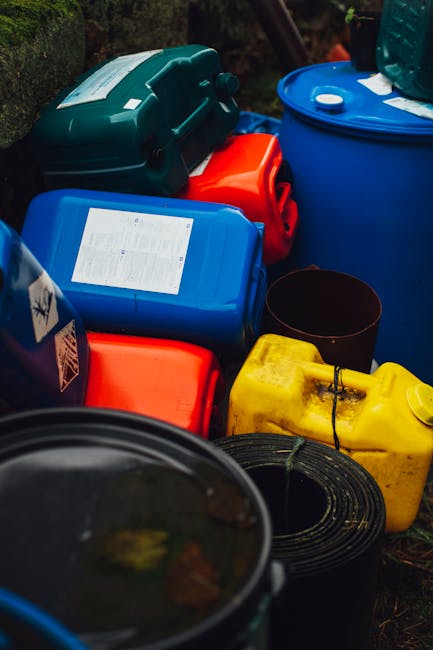
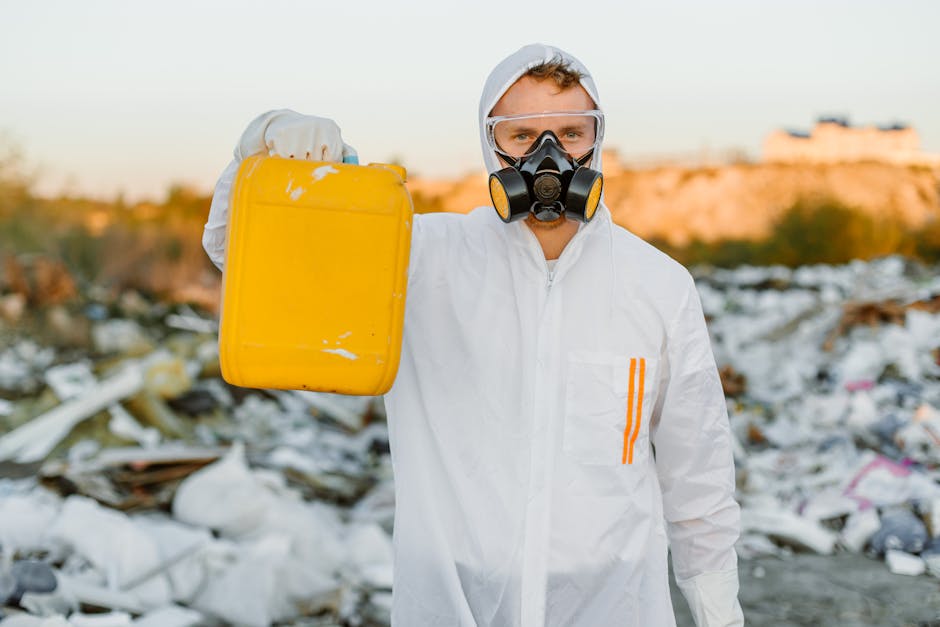
Hazardous waste disposal Kingston Council cleaning guidance
If you are clearing out a property, tackling a grim post-tenant mess, or dealing with leftover cleaning chemicals, the phrase Hazardous waste disposal Kingston Council cleaning guidance can feel oddly specific and yet frustratingly vague. What actually counts as hazardous? What can you put out, what needs special handling, and where do the cleaning jobs stop and disposal rules begin?
This guide brings the whole thing down to earth. It explains how hazardous waste is typically handled in Kingston, what cleaners and householders should do before disposal, where the biggest mistakes happen, and how to stay safe without overcomplicating it. If you are dealing with a one-off clear-up or a bigger project, you will also find practical steps that make the job less stressful. Let's face it, nobody wants a leaking bottle of solvent sitting in the boot of a car on the way to a disposal point.
Along the way, we will also show where cleaning services can support the process. For example, if your job involves deep sanitation after a spill, or a property clearance where waste segregation matters, it can help to understand the wider cleaning picture too. If you are planning work that may leave behind contaminated soft furnishings, surfaces, or residue, you might also find services like deep cleaning or house clearance relevant in a practical sense.
Table of Contents
- Why hazardous waste disposal matters
- How hazardous waste disposal works
- Key benefits and practical advantages
- Who this is for and when it makes sense
- Step-by-step guidance
- Expert tips for better results
- Common mistakes to avoid
- Tools, resources and recommendations
- Law, compliance, standards, and best practice
- Options, methods, or comparison table
- Case study or real-world example
- Practical checklist
- Conclusion
- Frequently asked questions
Why Hazardous waste disposal Kingston Council cleaning guidance Matters
Hazardous waste is not just "messy stuff". It can include materials that irritate skin, release fumes, contaminate other waste, or create a fire risk if handled badly. In a cleaning context, that often means chemicals, solvents, bleach, paint products, pesticides, aerosols, batteries, sharps, contaminated cloths, and some contaminated absorbents after a spill.
The reason this matters in Kingston is simple: ordinary household or commercial cleaning routines are not designed for dangerous waste streams. If you mix the wrong product, pour liquid waste into the wrong container, or dump contaminated items with general rubbish, you can create an avoidable hazard for yourself, waste workers, and anyone else handling the material later.
There is also a responsibility angle. Even when a job starts as a simple clean, once hazardous residues are involved you need to think about separation, containment, and the correct disposal route. That is especially true in rented homes, offices, communal blocks, and end-of-tenancy situations where a small mistake can spread quickly. A strong cleaning plan protects the property, but it also protects the people doing the work.
Expert summary: The safest approach is to identify the waste first, keep it separate, store it securely, and only dispose of it by the route appropriate to its type. If there is any doubt, stop and check before lifting a bag, decanting a liquid, or combining materials.
You will also notice that hazardous waste often appears alongside normal cleaning waste, which is why confusion happens. A bleach bottle with residue is not the same as an empty cardboard carton. A rag used to wipe solvent is not the same as a cloth used for dusting a shelf. Small differences, big consequences. Annoying, yes, but very real.
How Hazardous waste disposal Kingston Council cleaning guidance Works
In practical terms, hazardous waste disposal starts with identification. You need to know what the item is, whether it is still active, whether it is contaminated, and whether it can be safely kept separate from standard waste. From there, the process is usually a mix of containment, labelling, and using the correct collection or disposal route.
For a cleaning job, the process usually looks like this:
- Spot the hazardous item - for example, bleach, oven cleaner, drain opener, paint thinner, mould spray, or sharps.
- Separate it immediately - do not let it sit in a general waste bag with paper towels, food waste, or packaging.
- Check whether it is sealed, leaking, or contaminated - leaking liquids and soaked materials need extra care.
- Store it safely - upright, closed, away from heat, and away from children, pets, or anyone who might accidentally move it.
- Use the right disposal route - this depends on the material and local arrangements.
That is the basic flow. In real life, though, it gets a bit more nuanced. A home clear-out after a boiler leak, for instance, may include contaminated mop heads, damaged packaging, and chemical containers all at once. A commercial cleaning job might involve old stock, batteries, fluorescent tubes, or accidental spill materials. The key is not to rush the sorting stage. Ten minutes spent on separation can save hours of trouble later.
If your job also includes property reset work, it can be helpful to think in layers: dispose of hazardous items first, clean the surfaces second, and only then move on to the final finish. That order keeps contamination from spreading. For homes, the same logic often supports services like move out cleaning or end of tenancy cleaning, where the difference between a tidy room and a safe room is often in the details.
Key Benefits and Practical Advantages
Doing hazardous waste disposal properly is not just about compliance. It makes the actual cleaning job better. Cleaner, safer, less chaotic. That sounds obvious, but it matters more than people think.
- Reduced risk of injury - fewer chemical burns, splashes, inhalation issues, and accidental cuts.
- Less cross-contamination - you stop hazardous residue spreading to carpets, hard floors, or hard-to-clean edges.
- Cleaner handover - especially useful in rental properties, managed buildings, and workplaces.
- Better waste efficiency - recyclable or non-hazardous items are less likely to be ruined by being mixed with dangerous waste.
- Fewer delays - once the waste is separated early, the rest of the cleaning can move more smoothly.
There is a quiet practical benefit too: you make decisions faster. When the waste is already sorted, you do not waste time standing in the middle of a room wondering whether a half-full canister is safe to squeeze into a bin. That mental clutter disappears. Nice, really.
For business premises, this also supports a better standard of housekeeping overall. A tidy waste system often goes hand in hand with broader operational discipline, which is why hazardous waste control fits naturally into commercial cleaning and office cleaning routines.
Who This Is For and When It Makes Sense
This guidance is useful if you are a homeowner, tenant, landlord, property manager, cleaner, or business owner dealing with waste that is not simply "bin rubbish". It is especially relevant after disruptions such as leaks, pest issues, hoarding situations, renovation dust mixed with chemicals, or a bad end-of-tenancy clean where cleaning products, food waste, and damaged items all ended up in the same place.
Here are a few common situations where this comes up:
- Domestic clear-outs where old cleaning products, batteries, or leftover paint are found under sinks, in sheds, or in garages.
- Rental property handovers where previous occupants have left chemical cleaners, mould sprays, or contaminated cloths behind.
- Commercial premises with storage rooms full of forgotten maintenance materials.
- After-builders jobs where sealants, adhesives, solvents, or adhesive wipes need separating.
- Deep cleans after spillages, smoke, pests, or water damage.
If you are in the middle of a one-off project, a lot can be gained by looking at the job as part of the wider cleaning cycle. A property may need one off cleaning before final waste removal, or even a more structured reset such as regular cleaning once the hazard is gone and the space is stable again.
Truth be told, people often reach this point because something unexpected happened. A broken bottle. A spill in the cupboard. A landlord discovery after months of silence. It happens. The main thing is not to panic and not to guess.
Step-by-Step Guidance
Here is a straightforward process you can follow when hazardous waste appears during a cleaning job.
1) Stop and assess the item
Ask yourself: is it liquid, solid, sharp, dusty, or contaminated? Is it sealed? Does it smell strong? Is there visible damage to the container? If it is leaking or giving off fumes, do not handle it casually. That is the point where "I'll just sort it later" stops being a good idea.
2) Keep it away from normal waste
Never toss hazardous material into a general rubbish bag if it can leak, burn, react, or contaminate other waste. Keep it separate at once. Use a sturdy container if needed, and avoid overfilling.
3) Reduce handling
The less you move a risky item, the better. Avoid decanting unless absolutely necessary. If a container is unstable, place it in a secondary, secure outer container. For broken glass, sharps, or damaged cans, use a method that prevents puncture or leakage.
4) Label clearly
If you are storing items for later disposal, label them in plain language. For example: "used solvent wipes", "leftover bleach", "broken aerosol cans", or "contaminated cloths". Simple labels help prevent mistakes when someone else comes along later.
5) Use the correct disposal route
Different materials need different handling. Some can be taken to specific local disposal points, some need collection, and some should be managed through a licensed specialist route. The best route depends on volume, type, and condition.
6) Clean the area afterwards
Once the waste is removed, clean the surrounding area using safe methods and appropriate products. In many cases, that means careful surface cleaning rather than aggressive scrubbing. If absorbent materials were used on a spill, those materials may themselves be contaminated and need disposal as part of the waste set.
7) Review what caused the issue
This last step is easy to ignore, but it matters. Was the waste left out during a refurb? Was there a storage problem under the sink? Did cleaning products get decanted into unlabelled containers? Small system fixes stop repeat headaches. And yes, repeating the same problem in the same cupboard is one of those tiny domestic mysteries nobody needs twice.
Expert Tips for Better Results
A few practical habits make hazardous waste handling much safer and calmer.
- Use a "do not mix" rule for unknown liquids. If you do not know what it is, keep it separate until identified.
- Keep cleaning products in their original packaging whenever possible. That helps avoid confusion.
- Ventilate before you touch anything if fumes are present. Fresh air beats bravado every time.
- Wear suitable gloves and eye protection when there is a risk of splashes or residue. A small splash is enough to ruin your day.
- Work from clean to dirty so you do not drag contamination across a room.
- Do not compress bags containing unknown items - pressure can burst containers, aerosol cans, or brittle bottles.
Another good habit is to keep a dedicated "problem waste" box or tray for short periods while you are sorting. It sounds simple, but it saves a lot of back-and-forth. In our experience, the people who do this best are not the ones with the fanciest gear; they are the ones who pause before acting.
If your cleaning job includes stain-heavy fabrics or contaminated soft furnishings, remember that some materials are better handled separately before disposal. Services such as stain removal, carpet cleaning, or upholstery cleaning may help salvage items that would otherwise be treated as waste.
Common Mistakes to Avoid
Most problems in hazardous waste disposal come from a handful of predictable mistakes. The good news? They are very avoidable.
- Mixing hazardous waste with general waste - this is the biggest and most common mistake.
- Pouring liquids down sinks without checking - risky, especially with solvents, strong cleaners, or unknown substances.
- Storing items in weak packaging - thin bags and flimsy boxes are not enough for many hazardous materials.
- Leaving waste in hot spaces - garages, vans, and sunlit sheds can worsen vapour, pressure, or degradation.
- Ignoring contamination on rags or cloths - a cloth soaked in solvent is not "just a rag".
- Forgetting hidden items - under-sink cupboards, boiler rooms, and lofts are classic hiding spots.
One subtle mistake is assuming that if an item is old, it must be harmless. Not true. Old products can still react, leak, or give off fumes. Age does not automatically make waste safer. Sometimes it does the opposite.
Another mistake is focusing only on the obvious mess and forgetting the residue. That thin film on a shelf, the splash behind a bin, the invisible dust from damaged powder packets - those are all part of the job. If a room still smells sharp after cleaning, trust the smell. It is telling you something.
Tools, Resources and Recommendations
You do not need a warehouse full of specialist kit for most basic hazardous waste sorting jobs. A sensible small set of tools goes a long way.
| Tool or item | Why it helps | Best use |
|---|---|---|
| Heavy-duty gloves | Helps reduce skin contact with residue or splashes | Handling containers, contaminated cloths, and cleanup |
| Eye protection | Protects from splashes and particles | Liquids, sprays, powders, and broken containers |
| Seal-able secondary container | Gives an extra barrier around a damaged item | Leaking bottles or cans waiting for disposal |
| Labels or marker pen | Prevents confusion later | Temporary storage of separated waste |
| Sturdy sacks or boxes | Supports safer transport and segregation | Dry contaminated materials and packaging |
| Absorbent cloths or pads | Helps manage small spills before final disposal | Minor leaks and surface accidents |
As a recommendation, keep hazardous waste storage short-term and tidy. Do not build up a "we'll sort it later" pile in the corner. That corner will become annoying. Then hazardous. Then both.
For broader waste-focused planning, the general sustainability mindset also helps. If you are reviewing how waste is managed across a property or business, a page like recycling and sustainability can support a cleaner, more organised routine beyond immediate disposal.
Law, Compliance, Standards, and Best Practice
Hazardous waste handling in the UK sits within wider duties around safety, environmental care, and proper disposal. The exact obligations depend on the waste type, who produced it, and the setting in which it was generated. For households, the rules and local arrangements differ from those applying to businesses or contractors.
Because of that, it is wise to treat hazardous waste as something that needs deliberate checking rather than casual disposal. If you are managing waste for a business, there may be extra expectations around segregation, storage, record-keeping, and using appropriate collection arrangements. A cleaner or property manager should not assume that "it's only a small amount" makes it exempt from care. It usually doesn't.
Best practice in a cleaning context generally means:
- identifying waste correctly before moving it;
- keeping hazardous and non-hazardous waste separate;
- storing waste securely to prevent leaks or access by children and animals;
- using appropriate disposal routes;
- protecting workers with suitable PPE and safe handling methods;
- documenting what was found where practical, especially in commercial settings.
If the waste includes unknown chemicals, large volumes, infectious materials, or spill contamination that is not straightforward to assess, it is better to seek specialist advice or use a professional route. That is not overcautious; it is sensible.
If your project forms part of a larger property works schedule, you may also want to align the disposal with after builders cleaning or communal area cleaning when those environments are involved. In mixed-use buildings, the cleanup order can make a real difference to safety.
Options, Methods, or Comparison Table
There is no one-size-fits-all solution for hazardous waste. The right method depends on the waste itself. Here is a practical comparison to help you think clearly.
| Method | Best for | Pros | Limitations |
|---|---|---|---|
| Short-term secure storage | Items waiting for the proper route | Simple, low effort, helps prevent mistakes | Only suitable temporarily |
| Separate household disposal route | Smaller domestic quantities | Often straightforward and practical | Not suitable for all materials or volumes |
| Specialist collection | Larger, unusual, or high-risk items | Better for complex waste streams | Usually needs planning and may cost more |
| General waste bin | Very limited non-hazardous material only | Convenient when appropriate | Risky if used incorrectly; not suitable for hazardous items |
The honest answer is that most people need a blend of temporary sorting and then a disposal route matched to the waste. The wrong method is usually the one that saves five minutes now and creates a bigger problem later. We have all seen that film before.
For properties that need a broader reset after waste has been dealt with, a service like domestic cleaning or move in cleaning can help restore the living space once the hazardous items are properly removed.
Case Study or Real-World Example
A typical real-world example is an end-of-tenancy flat where the kitchen cupboard contains old spray cleaners, a half-used bottle of bleach, a cracked aerosol, and a few oily cloths from a previous DIY touch-up. The flat itself may not look too bad at first glance, but the cupboard tells a different story.
The first step is to stop the regular clean and isolate the cupboard contents. The bleach bottle stays upright and separate. The aerosol is treated carefully because damaged pressurised containers can be unpredictable. The oily cloths are bagged apart from normal waste because they are contaminated. The shelves are then cleaned with appropriate caution, and the cupboard is aired before being closed again.
What matters here is not dramatic action. It is sequence. Separate, identify, contain, clean, dispose. Simple in principle, but easy to muddle when you are trying to finish a property before midday and there is a van waiting outside with its doors open in the rain.
In another case, a landlord managing a small office conversion found batteries and cleaning chemicals stored together in a maintenance cabinet. That was not a huge emergency, but it was definitely a "sort this now" moment. Once segregated, the area was cleaned and relabelled so the same mistake would not repeat. A tiny fix, a much better outcome.
Practical Checklist
Use this checklist when you are dealing with hazardous waste during or after a cleaning job.
- Identify the item before moving it.
- Keep hazardous waste separate from general rubbish.
- Check for leaks, damage, strong smells, or pressure.
- Wear suitable gloves and eye protection if needed.
- Use a secure secondary container where appropriate.
- Label the waste clearly.
- Store it away from heat, children, pets, and food areas.
- Do not mix unknown liquids or chemicals.
- Clean the surrounding area after the waste is removed.
- Use the correct disposal route for the type and volume of waste.
- Review the storage or cleaning process so the issue does not repeat.
If the task has snowballed into a bigger property clean, it can help to think about the end goal: safe disposal first, then restoration. A lot of people try to do both at the same time and end up doing neither well. Slow down a little. It pays off.
Conclusion
Hazardous waste disposal Kingston Council cleaning guidance is ultimately about good judgement. Not panic, not guesswork, not shoving questionable items into the nearest bin and hoping for the best. It is about identifying what you are dealing with, keeping it separate, handling it safely, and following the right disposal route for the material and the situation.
That approach protects people, protects property, and usually makes the rest of the cleaning work easier too. Whether you are dealing with a domestic cupboard, a rental handover, or a commercial clear-up, the same principle applies: sort the risk first, then clean the space properly. Simple, steady, careful. That is the real win.
If you are planning a property clean and want help restoring the space after waste has been managed, you may also want to explore services such as deep cleaning, house cleaning, or commercial cleaning depending on the setting. And if you are unsure where a mess ends and a safety issue begins, it is always better to ask early than to correct a bigger problem later.
Get a free quote today and see how much you can save.
Frequently Asked Questions
What counts as hazardous waste in a cleaning job?
In a cleaning context, hazardous waste often includes leftover chemicals, solvents, bleach, aerosols, batteries, sharps, contaminated cloths, and items soaked with dangerous substances. If it can irritate, burn, leak, or react, treat it carefully.
Can I put hazardous waste in my normal bin if it is only a small amount?
No, not if it is genuinely hazardous. Small amounts can still leak, contaminate other waste, or injure waste handlers. Size does not make a dangerous item safe.
What should I do first if I find a leaking bottle of cleaner?
Keep clear, avoid direct contact, and place the item in a secure secondary container if you can do so safely. Do not mix it with other waste. If fumes are strong or the container is unstable, stop and get proper help.
How do I know whether a used cloth is hazardous?
If the cloth was used with solvent, strong cleaner, oil, or another potentially dangerous substance, treat it as contaminated until you know otherwise. A cloth is not automatically harmless just because it looks ordinary.
Is hazardous waste disposal different for homes and businesses?
Yes. Households and businesses may have different obligations, collection routes, and handling expectations. Business waste generally needs a bit more care with segregation and records.
Do I need special equipment for hazardous waste from cleaning?
For many minor cases, basic PPE like gloves and eye protection is enough, along with secure containers and clear labels. Bigger or unknown waste streams may need specialist handling.
What is the biggest mistake people make with hazardous waste?
The biggest mistake is mixing hazardous waste with general rubbish. Once mixed, the whole bag can become a problem and the contamination spreads fast.
Can I store hazardous waste until I have time to deal with it?
Yes, but only short term and only if it is stored safely. Keep it sealed, labelled, and away from heat, children, pets, and anything that could tip or crush it.
What if I do not know what a liquid is?
Leave it separate. Do not guess. Unknown liquids are one of the clearest times to pause and treat the item as potentially hazardous until identified.
Does hazardous waste affect the rest of the cleaning process?
Absolutely. If you remove and isolate hazardous items first, the rest of the clean is usually safer and faster. If you ignore them, you risk spreading contamination to carpets, floors, and touch points.
Is deep cleaning enough after a hazardous spill?
Sometimes, but not always. The right response depends on the substance, the surface, and the level of contamination. In some cases, the waste needs removing before any meaningful cleaning can begin.
When should I call in a professional service?
If the waste is unknown, leaking, widespread, pressurised, or tied to a larger property clear-out, professional support is often the safer route. A lot of awkward situations get better once someone with the right process steps in.